Choosing Textured Wall Art & Canvas Paintings
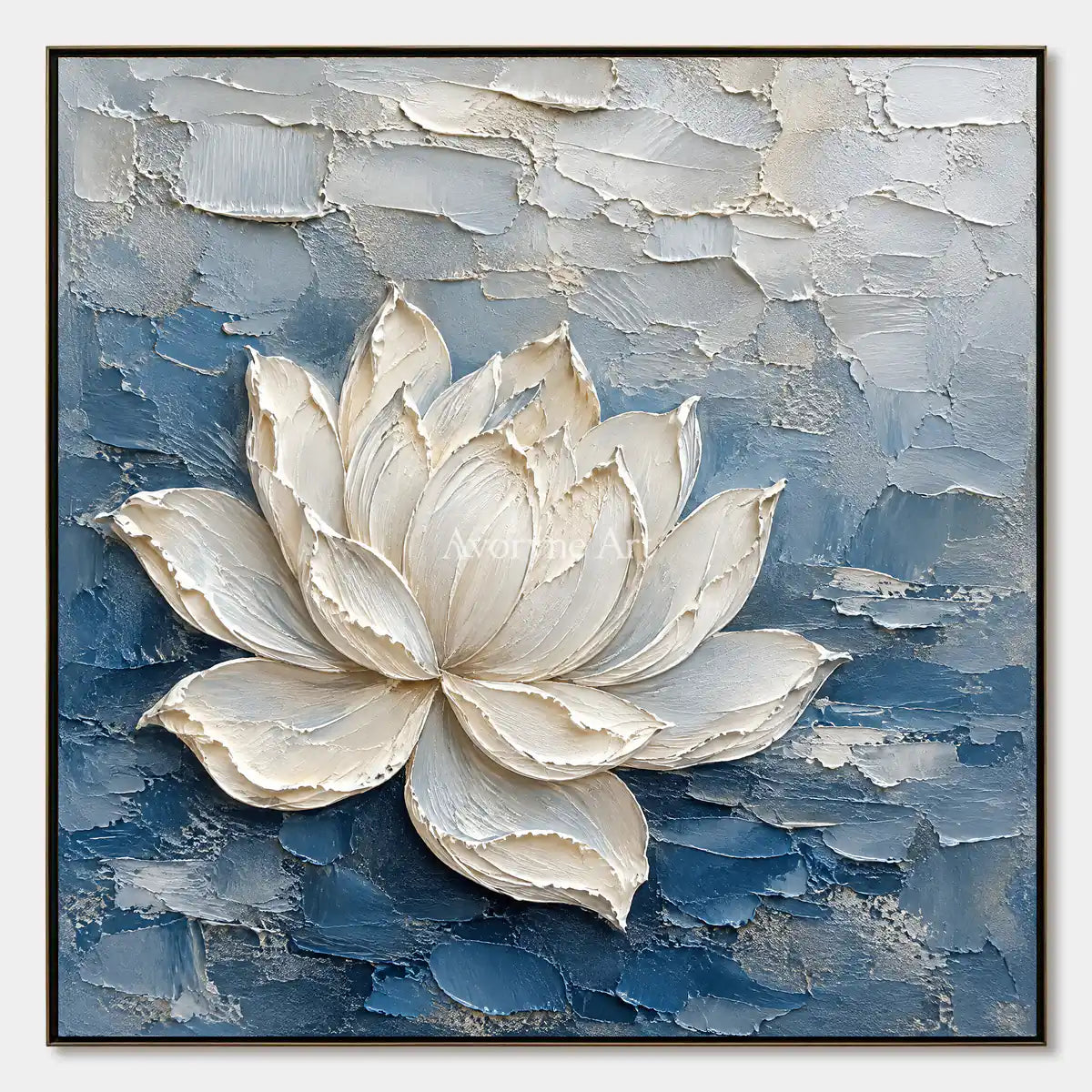
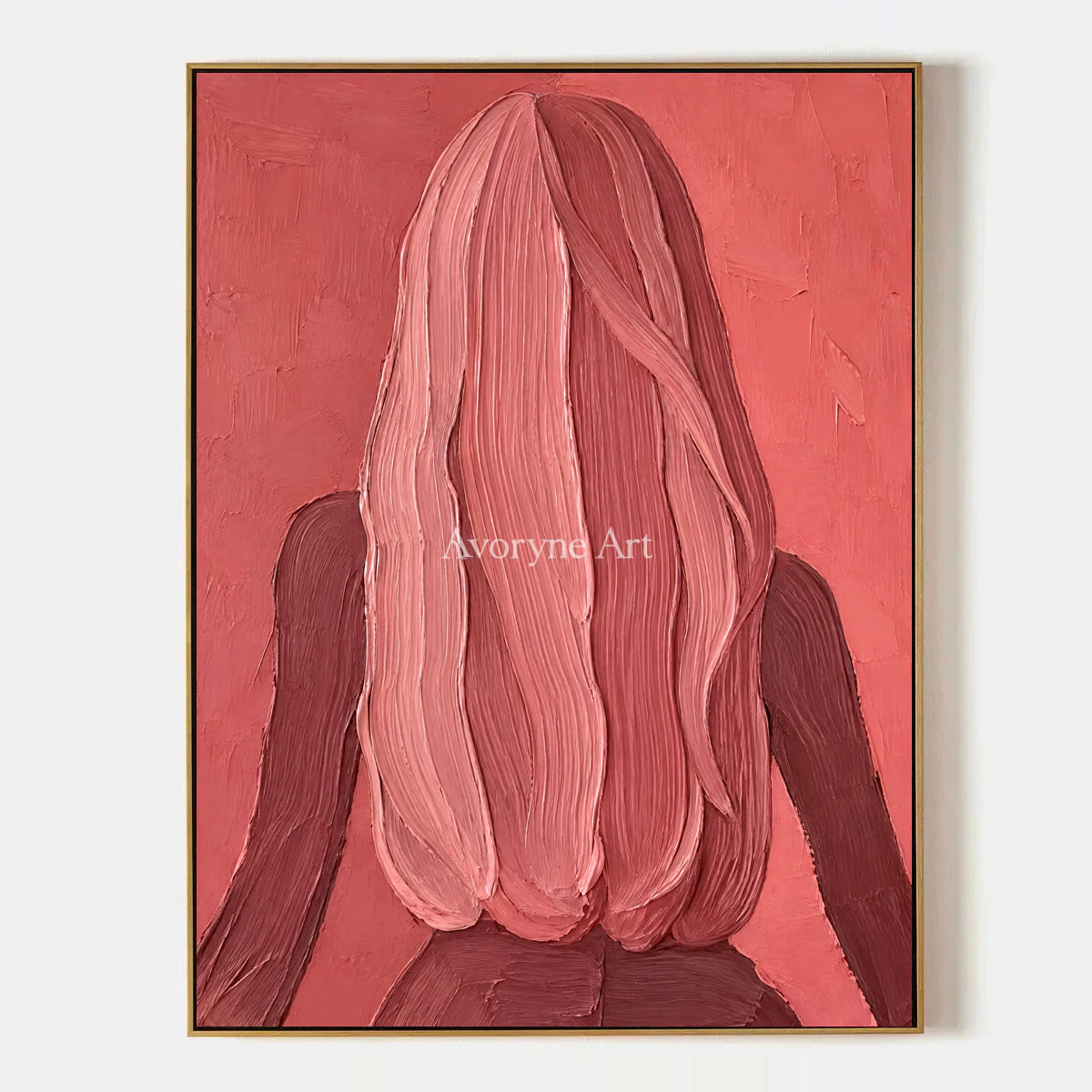
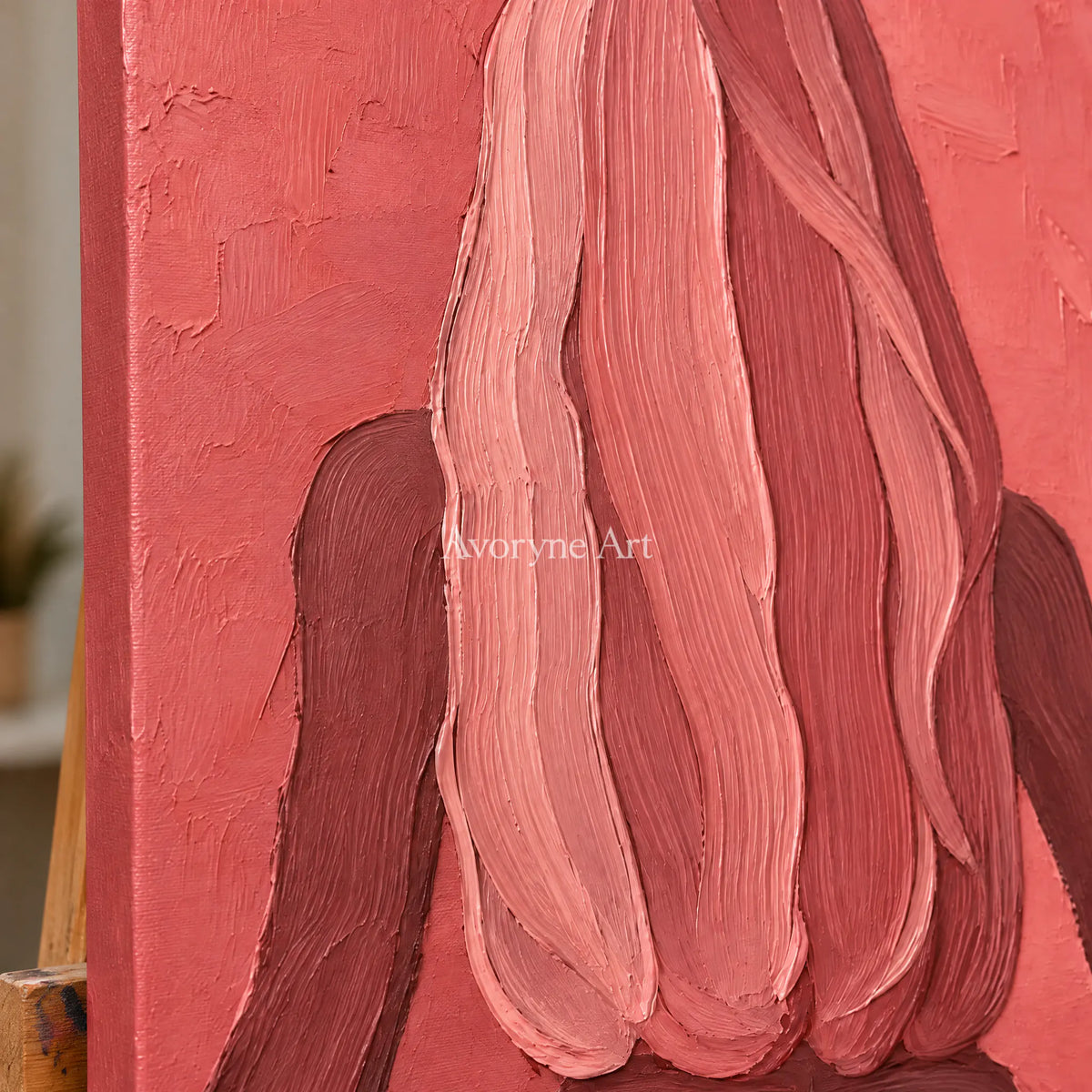
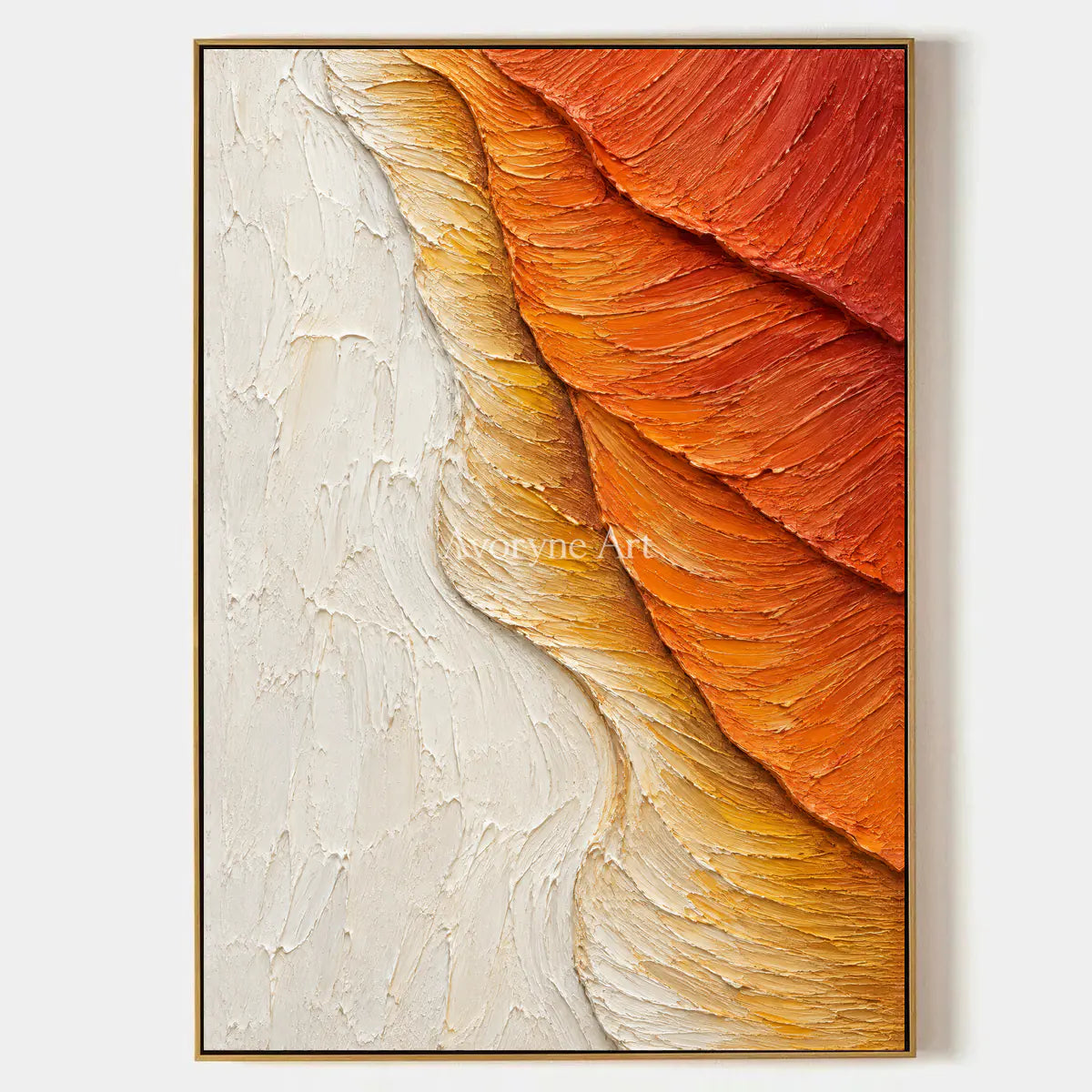
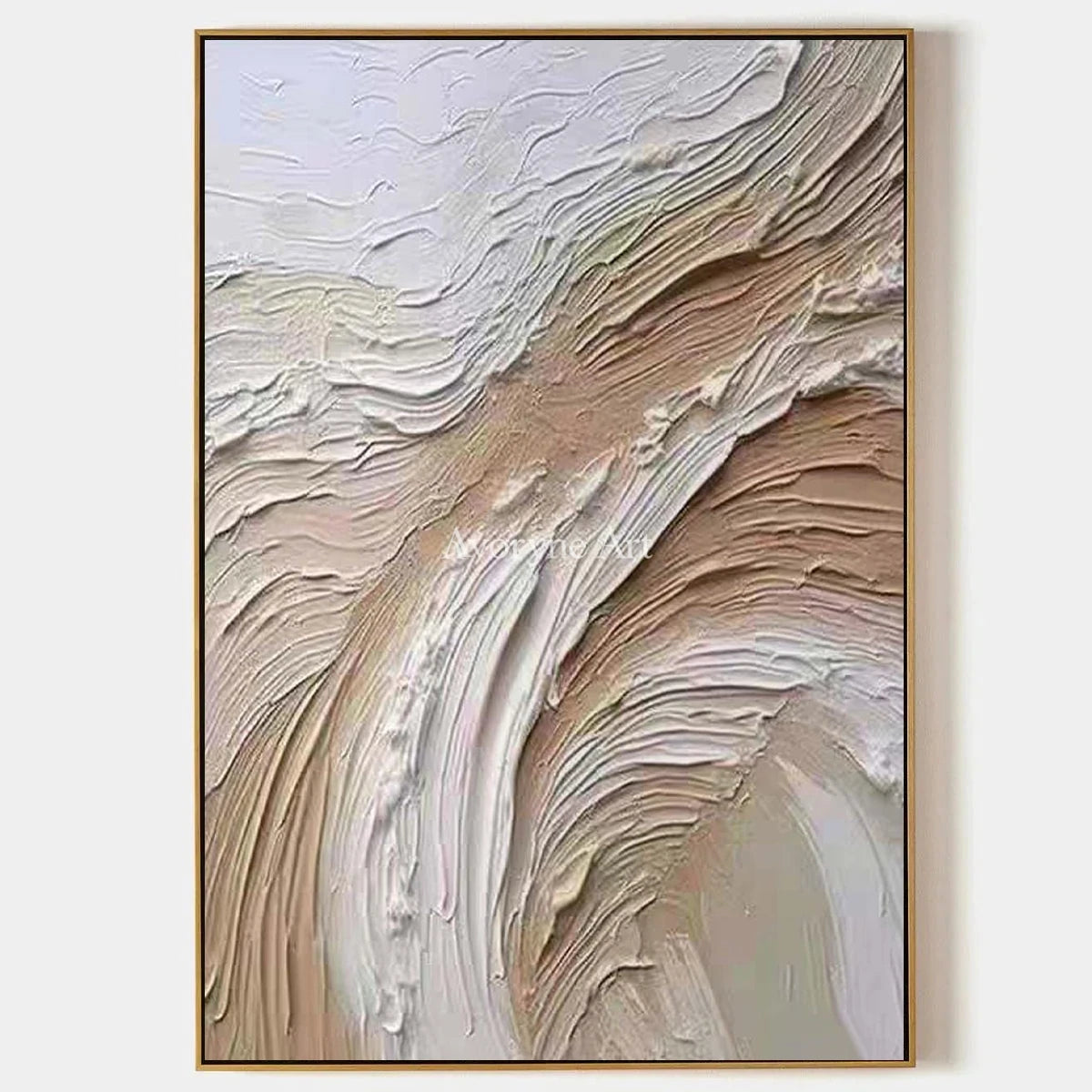
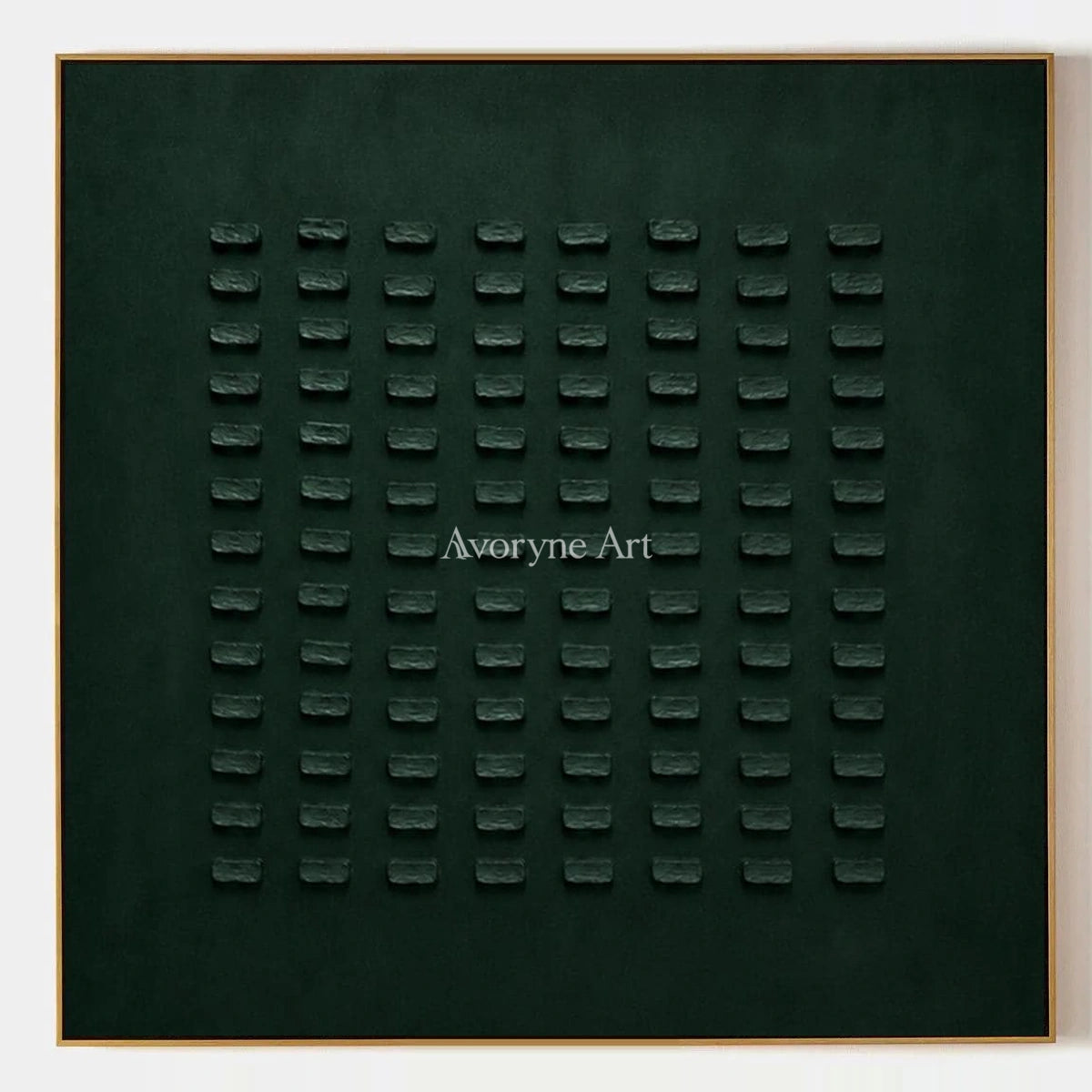
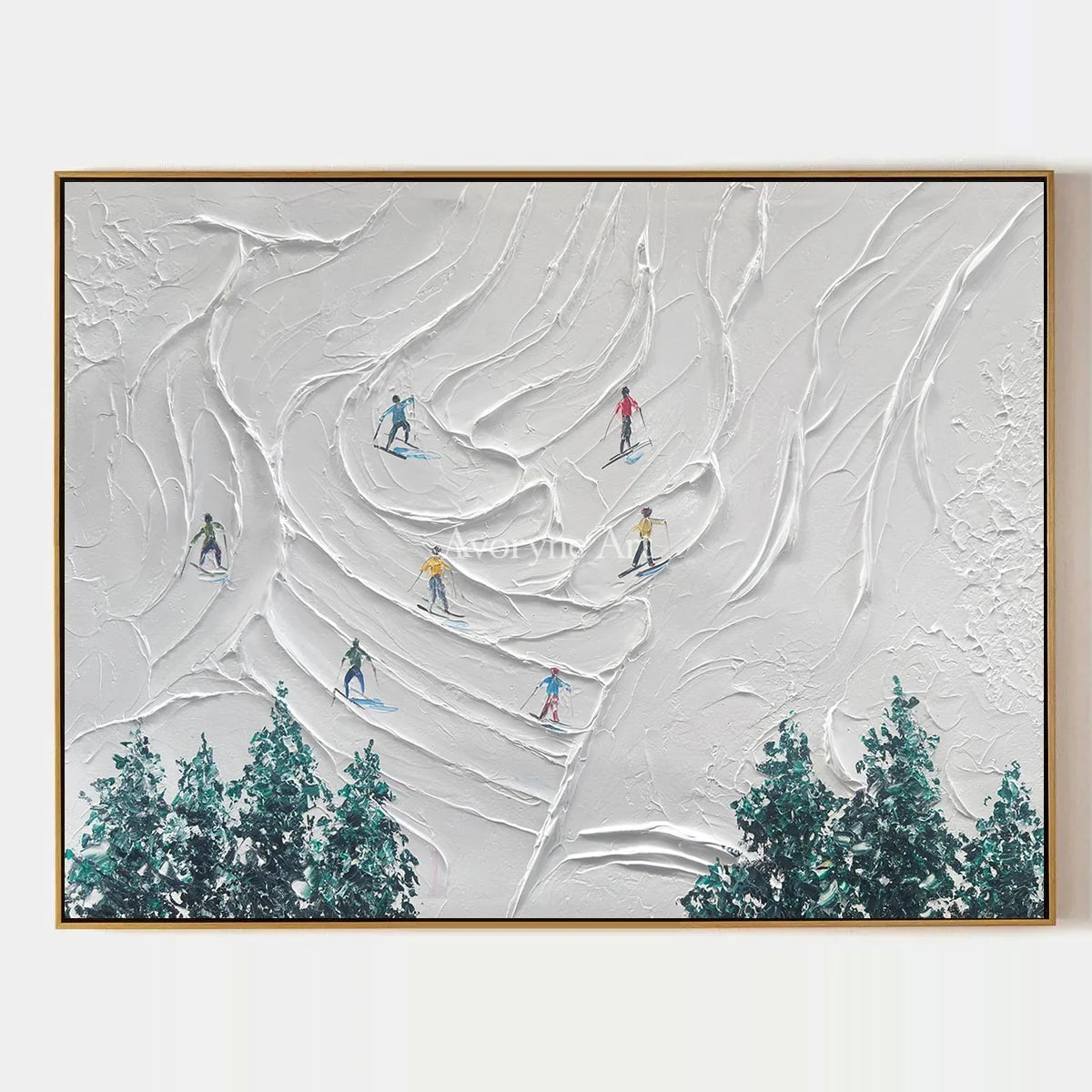
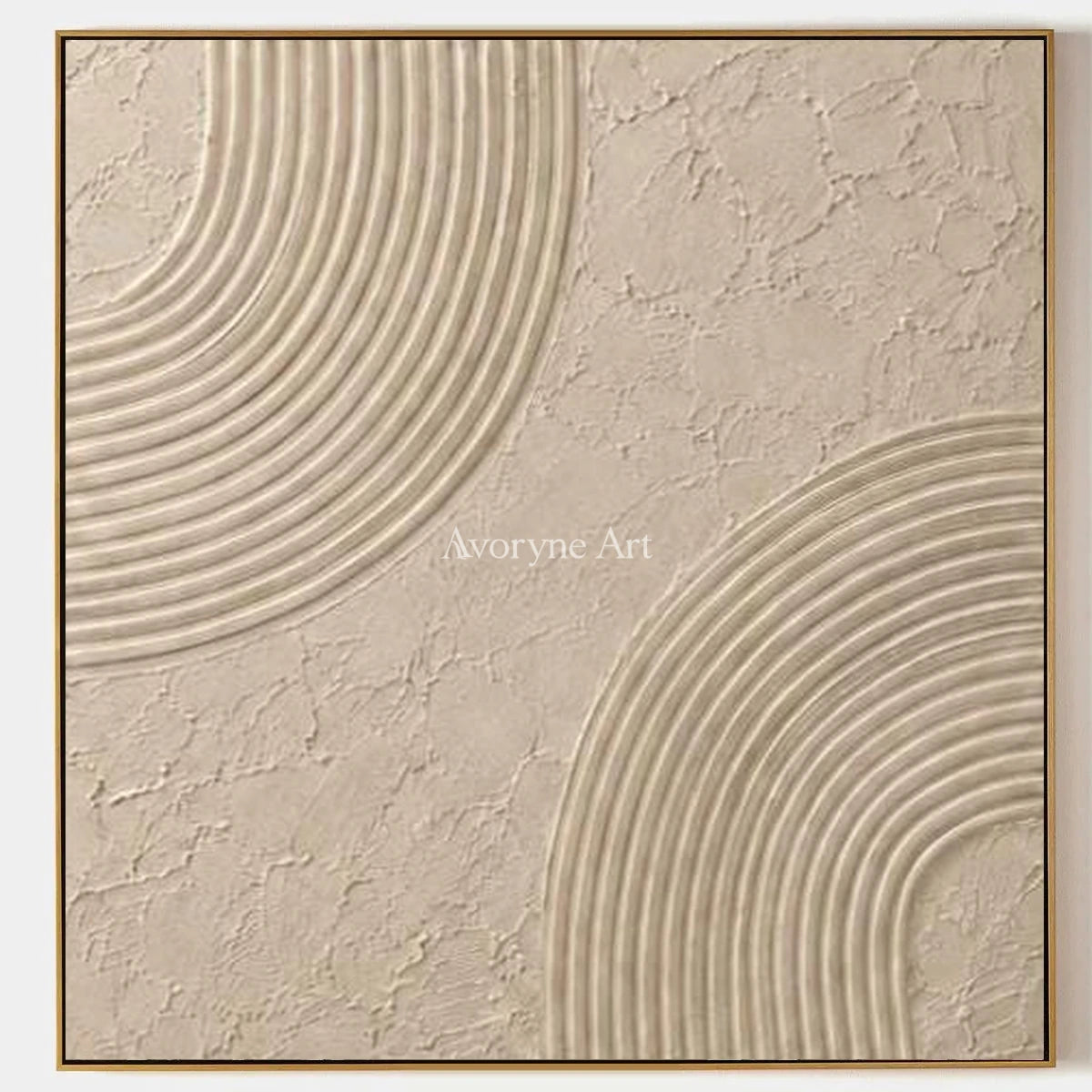
Textured wall art has a physical surface you can see from across the room: ridges, knife marks, raised forms and layered paint that catch light and cast small shadows. This collection gathers hand-painted textured paintings in abstract, landscape, coastal, floral and figurative subjects. Most of them list plaster and acrylic as their mediums, which allows thicker, more sculptural surfaces than paint alone; some also include oil.
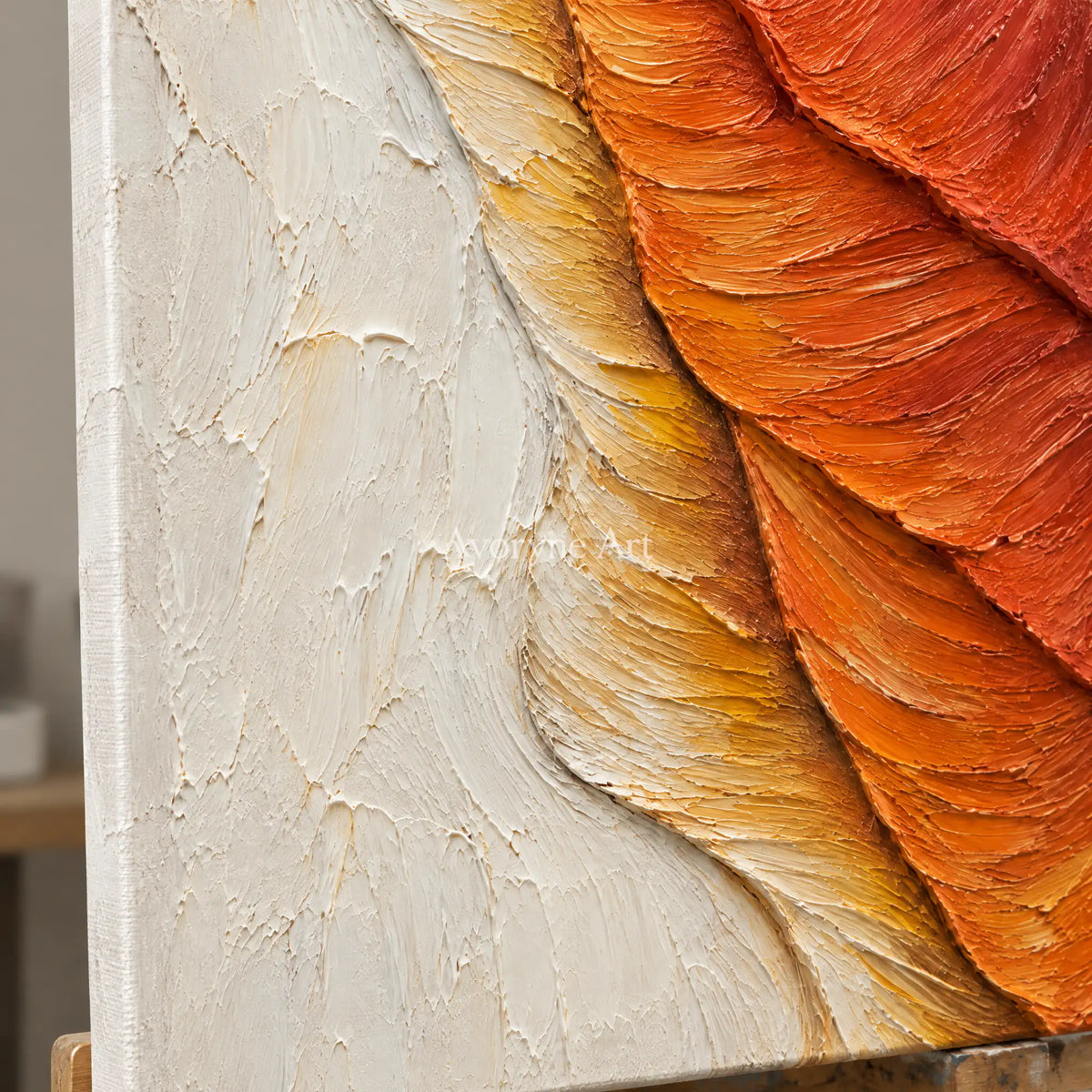
Textured paintings change through the day. Morning light from a side window will pick out different ridges than evening lamplight, so the same canvas can feel soft at one hour and dramatic at another.
What is plaster wall art?
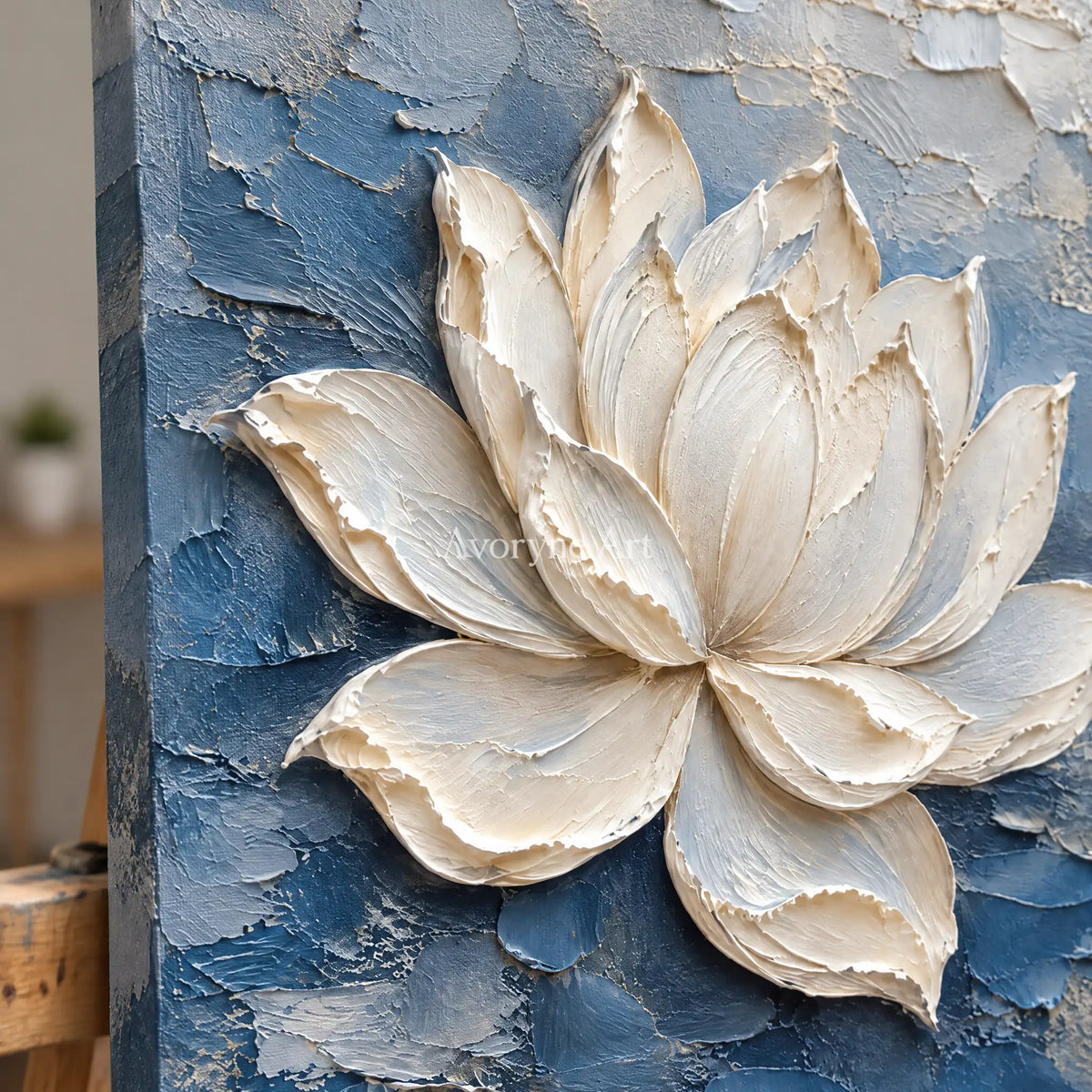
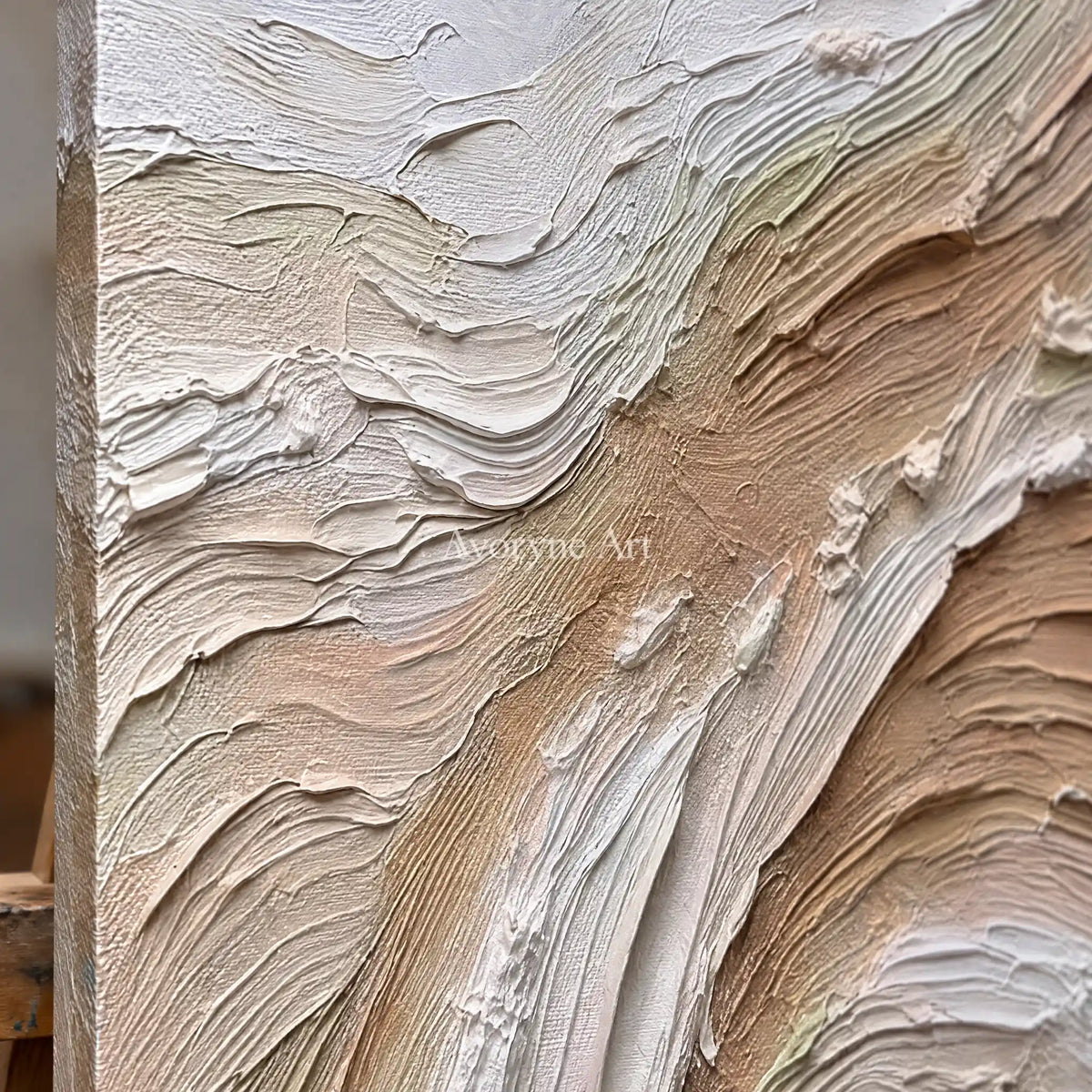
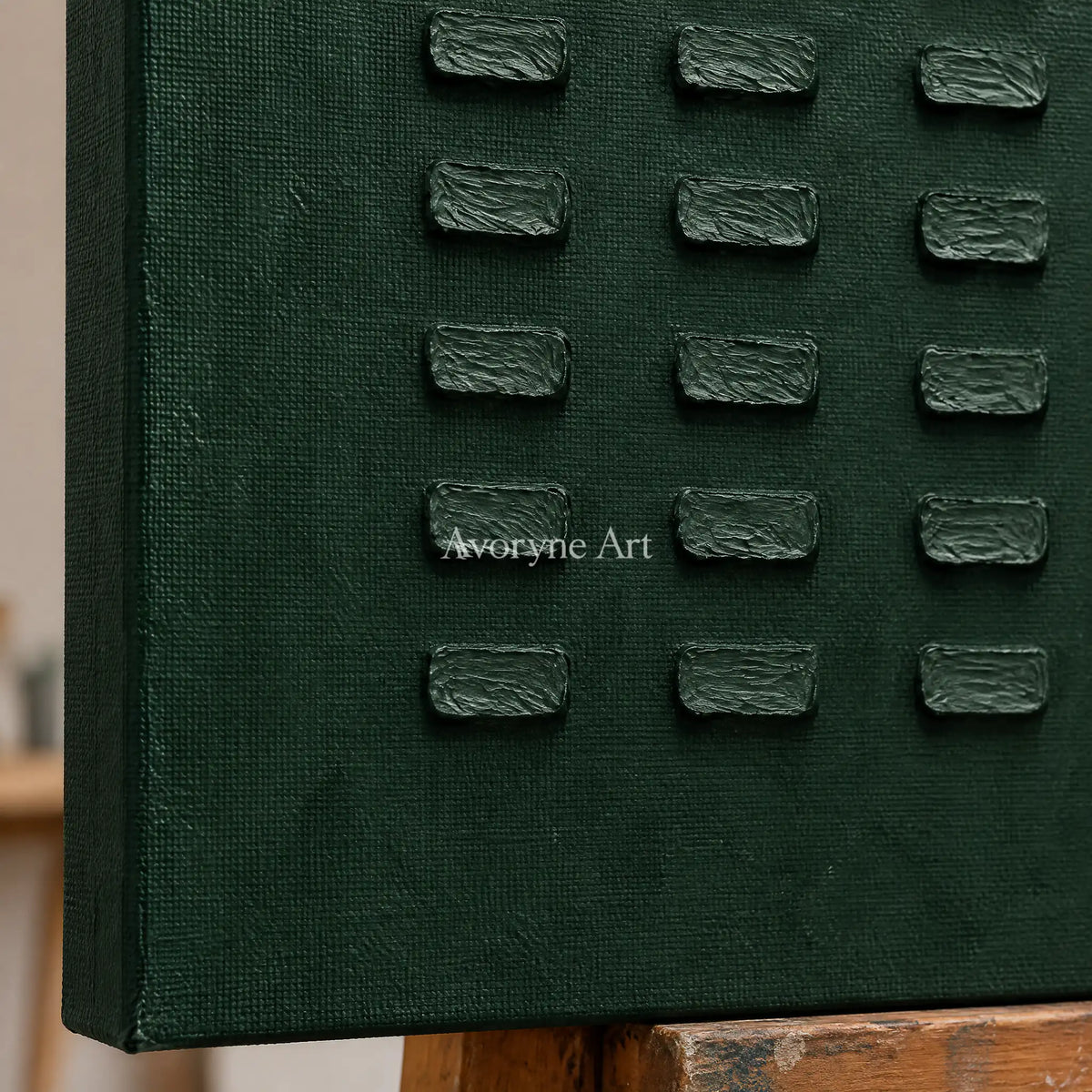
Plaster wall art uses a plaster or textured paste applied to the canvas with palette knives and tools, then sealed and painted. The result is a relief surface, sometimes called 3D textured art, with depth you can see and feel. In our FAQ, heavy texture is described as raised, sculptural surface detail created with professional materials and palette-knife techniques.
How can I assess a textured painting online?
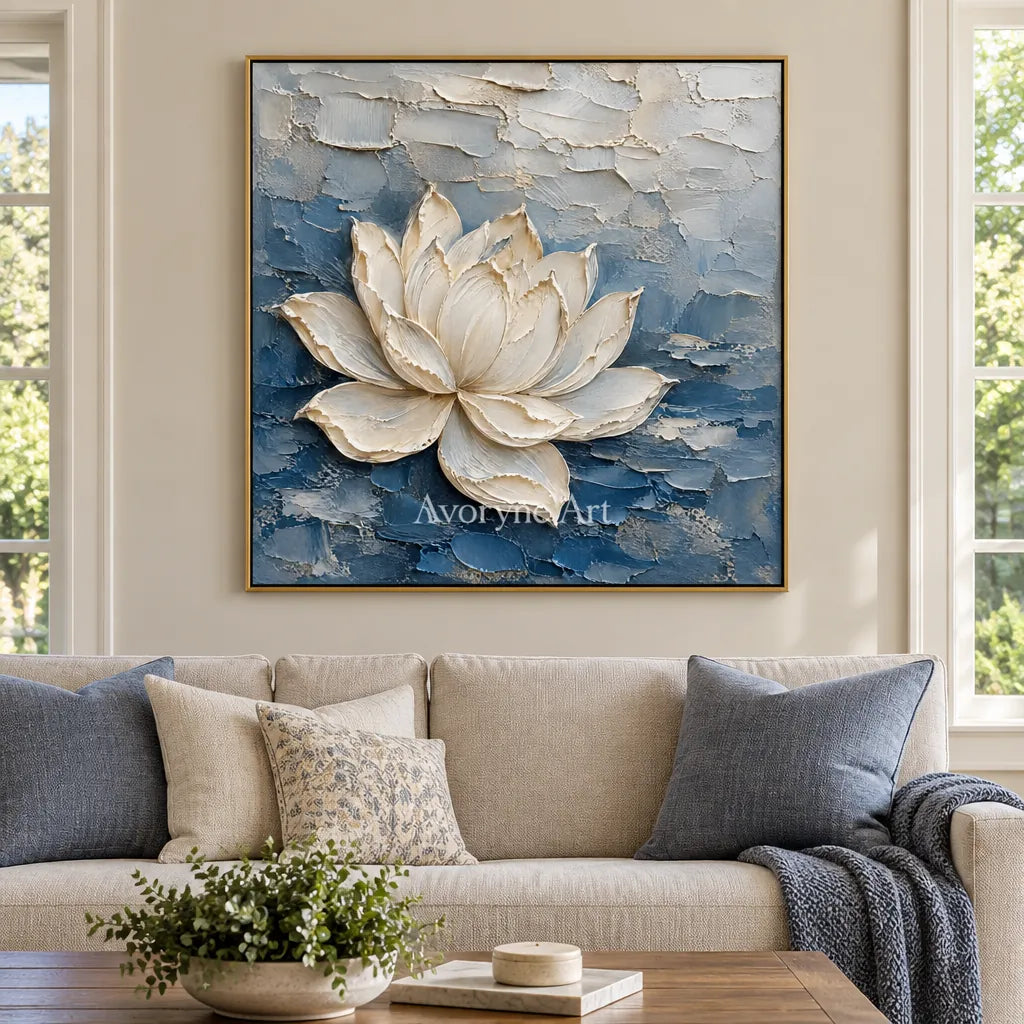
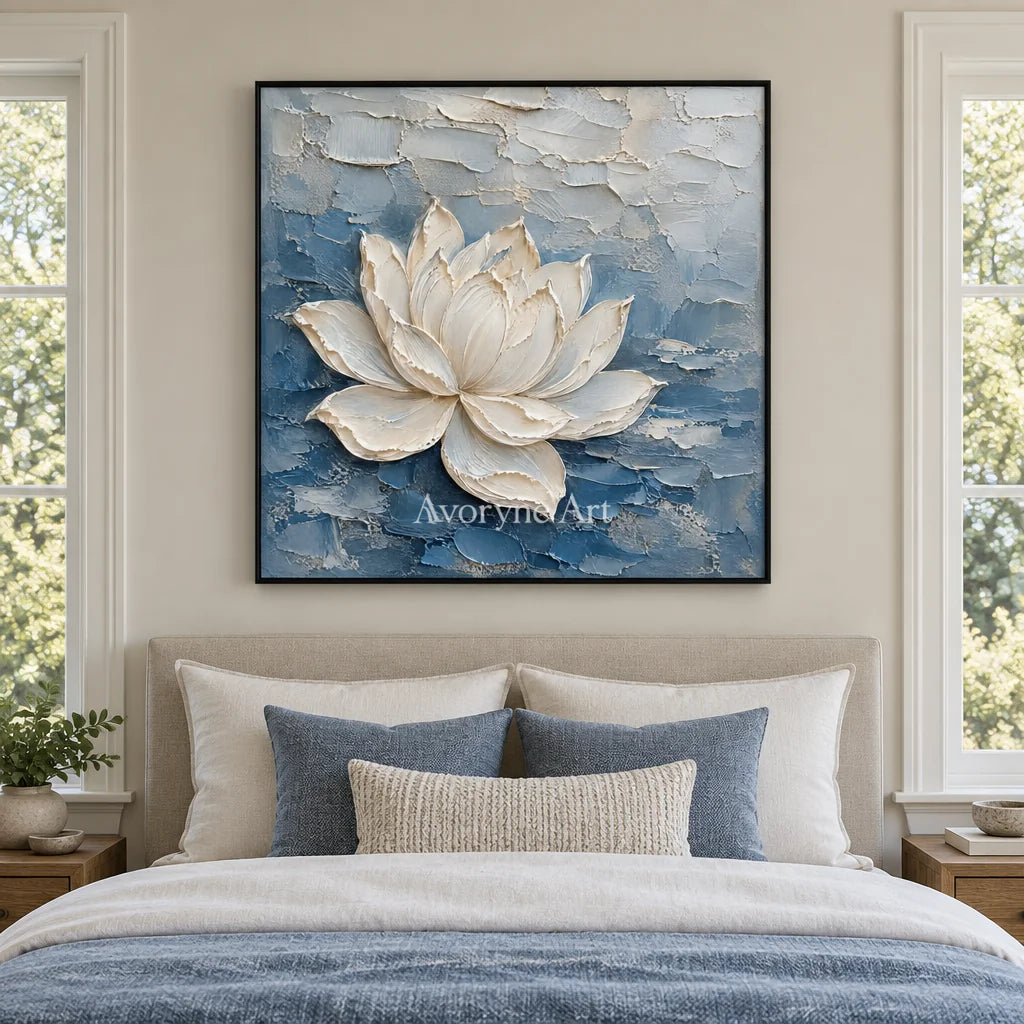
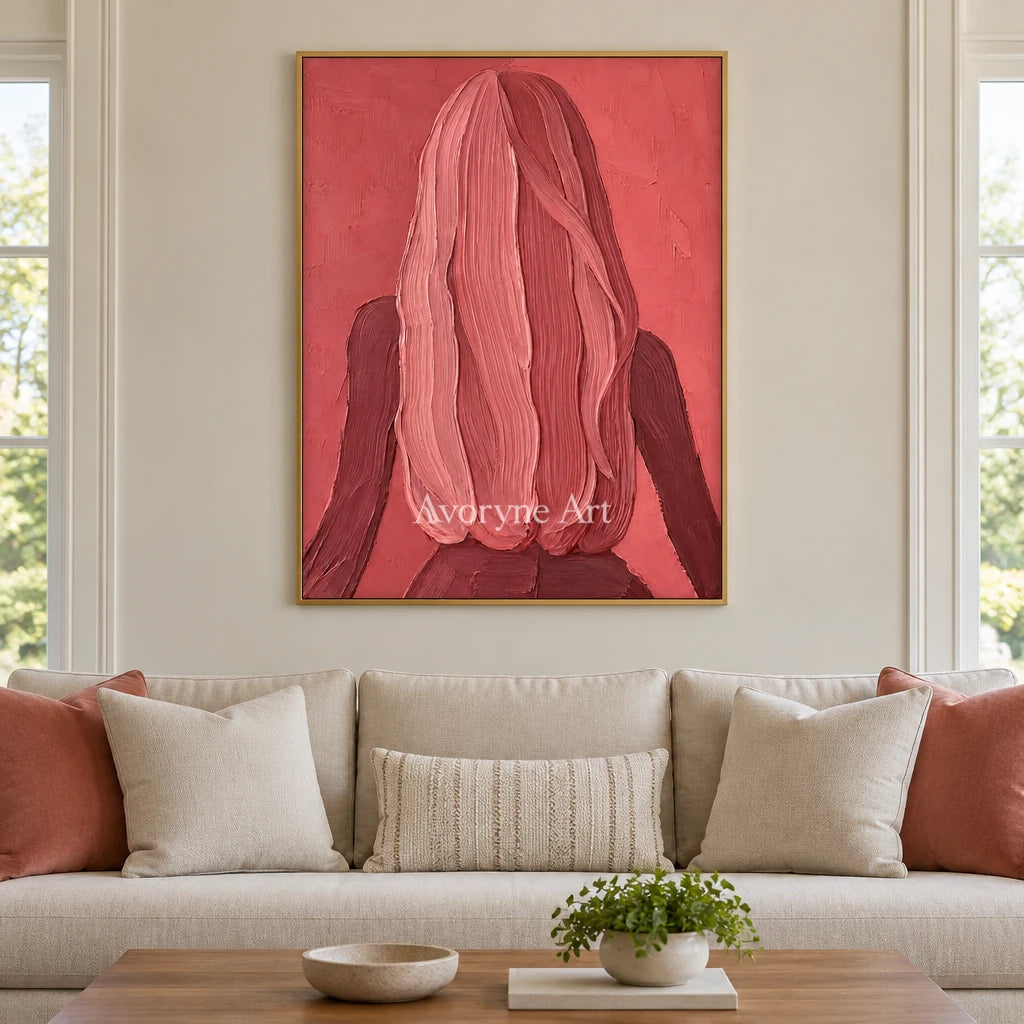
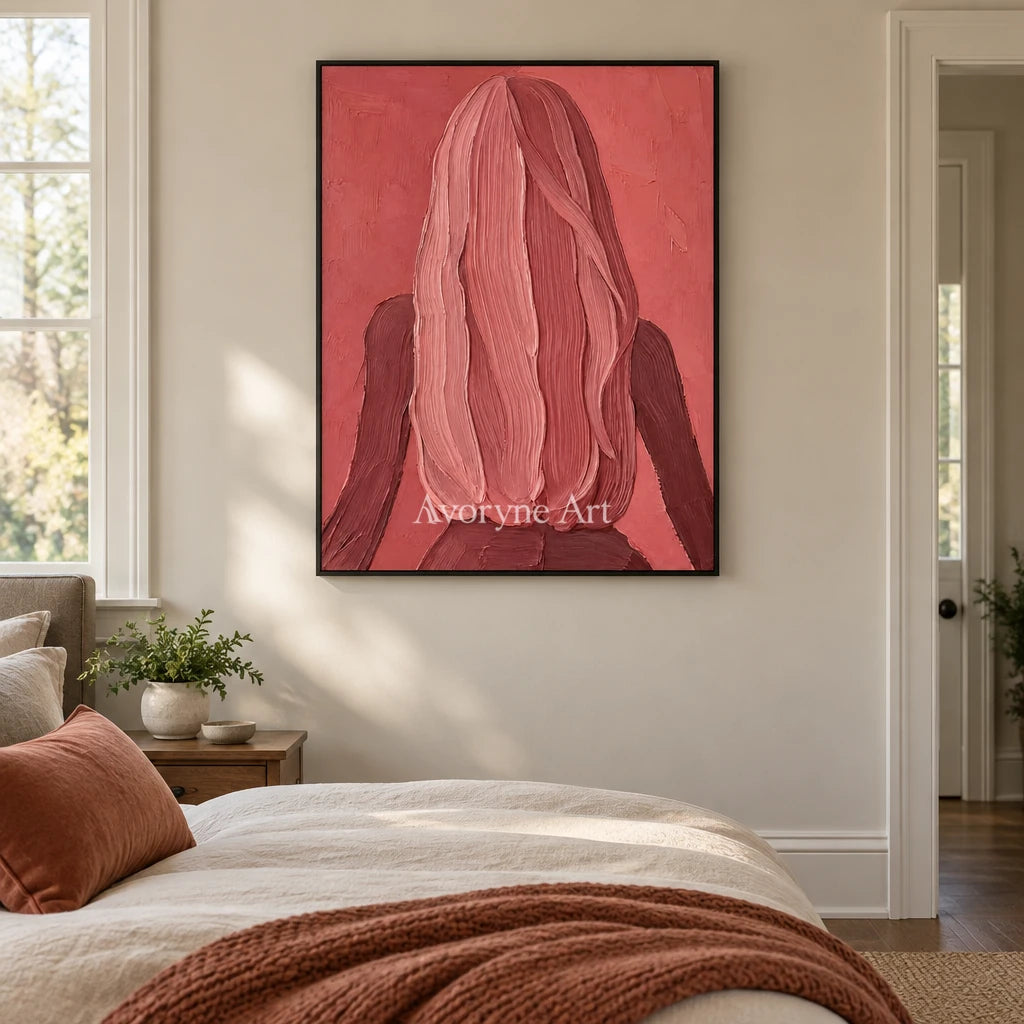
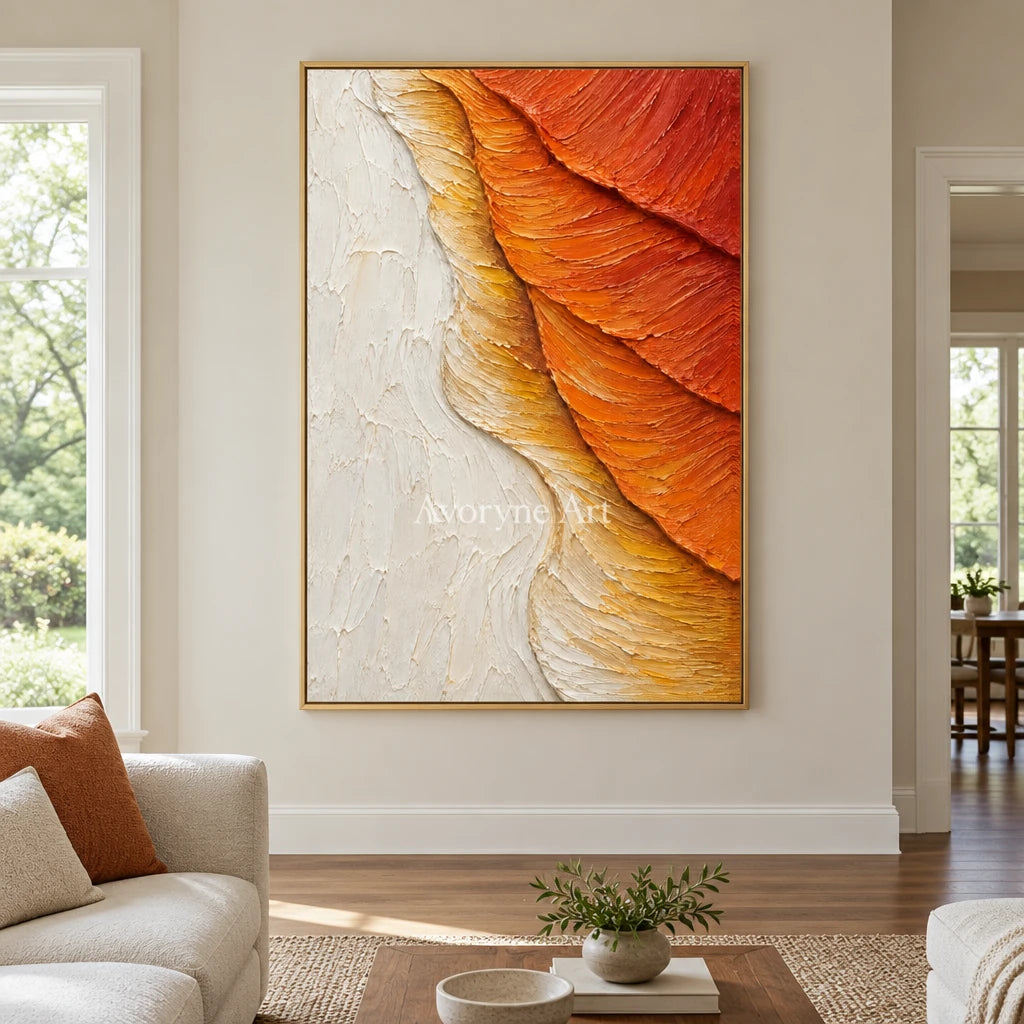
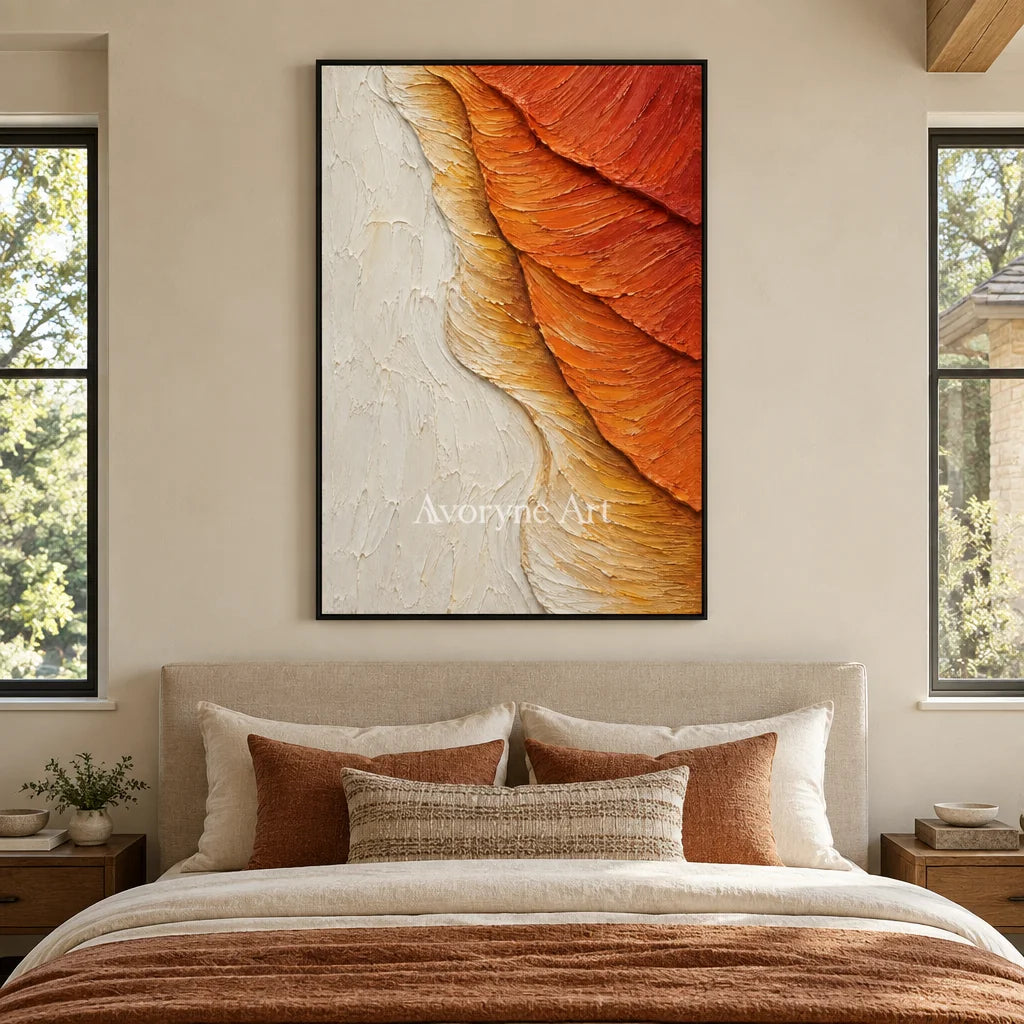
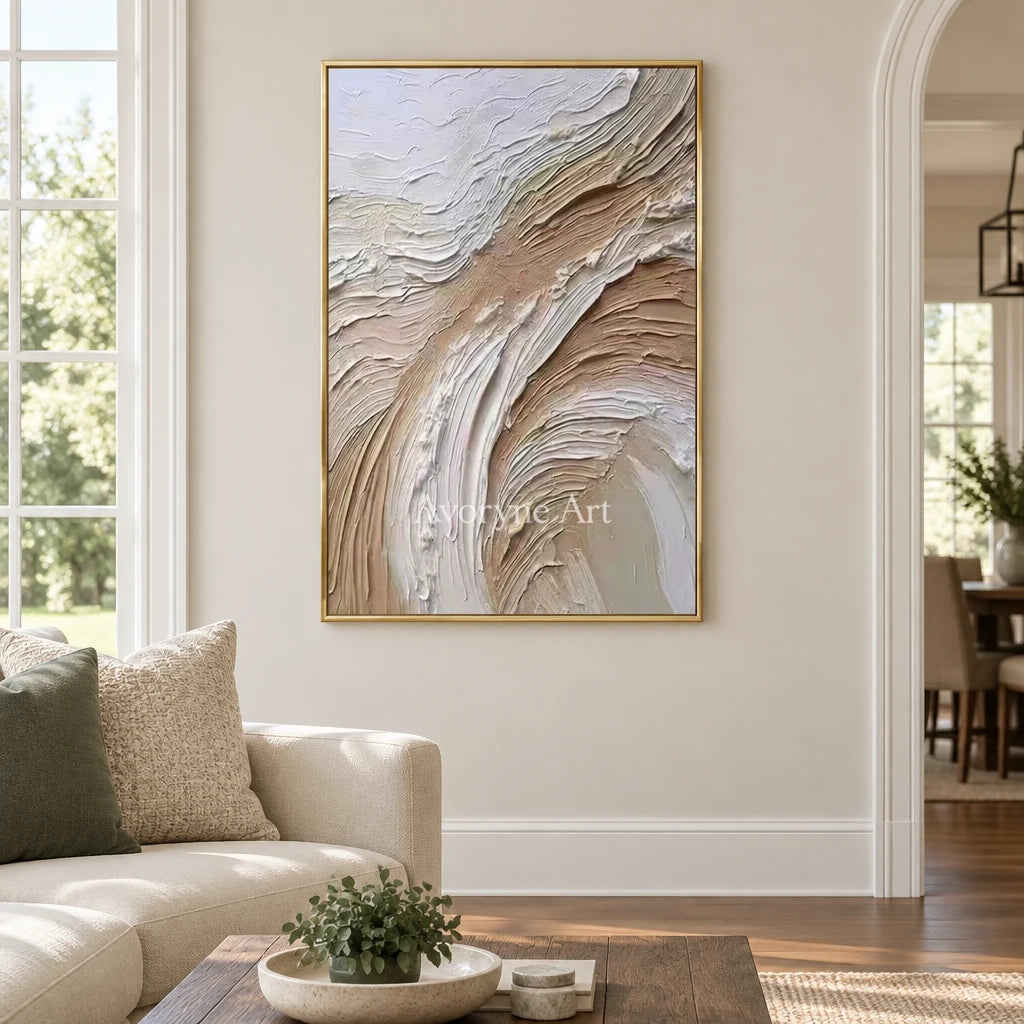
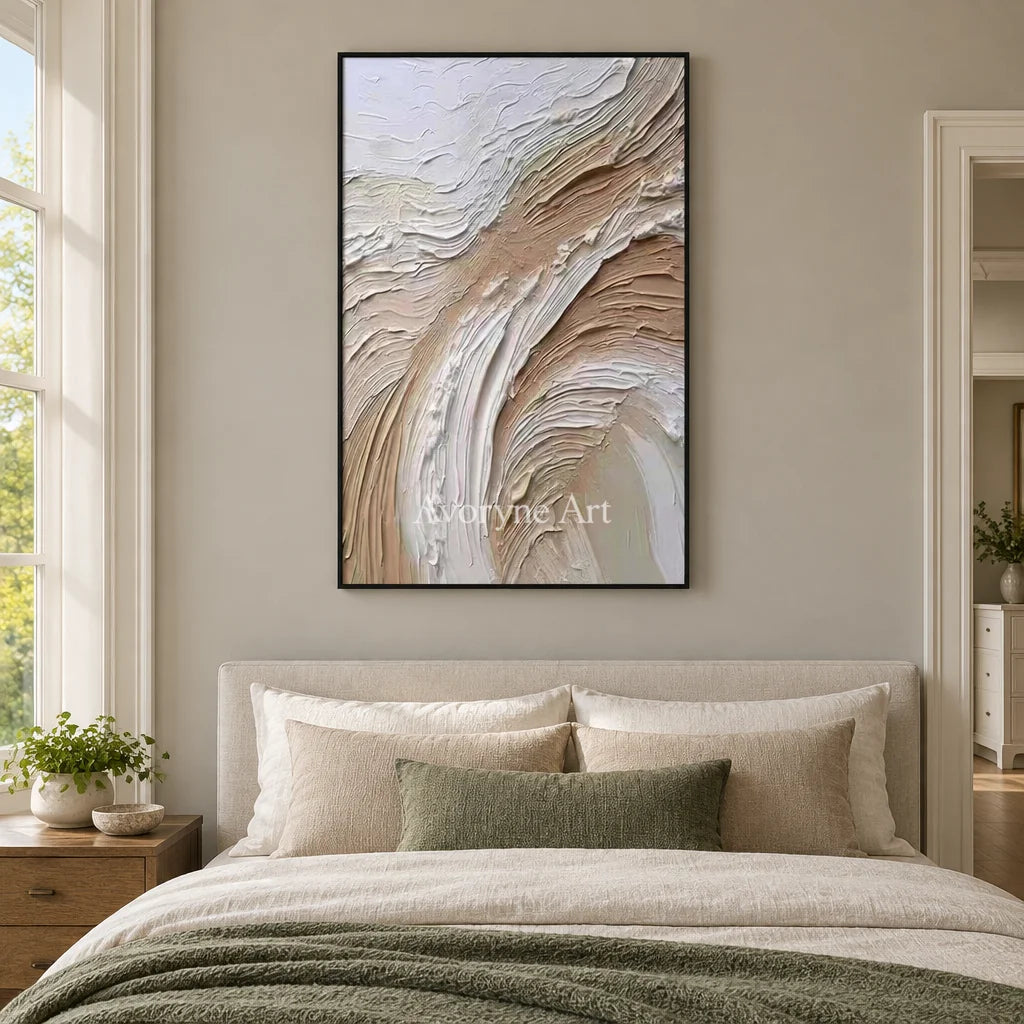
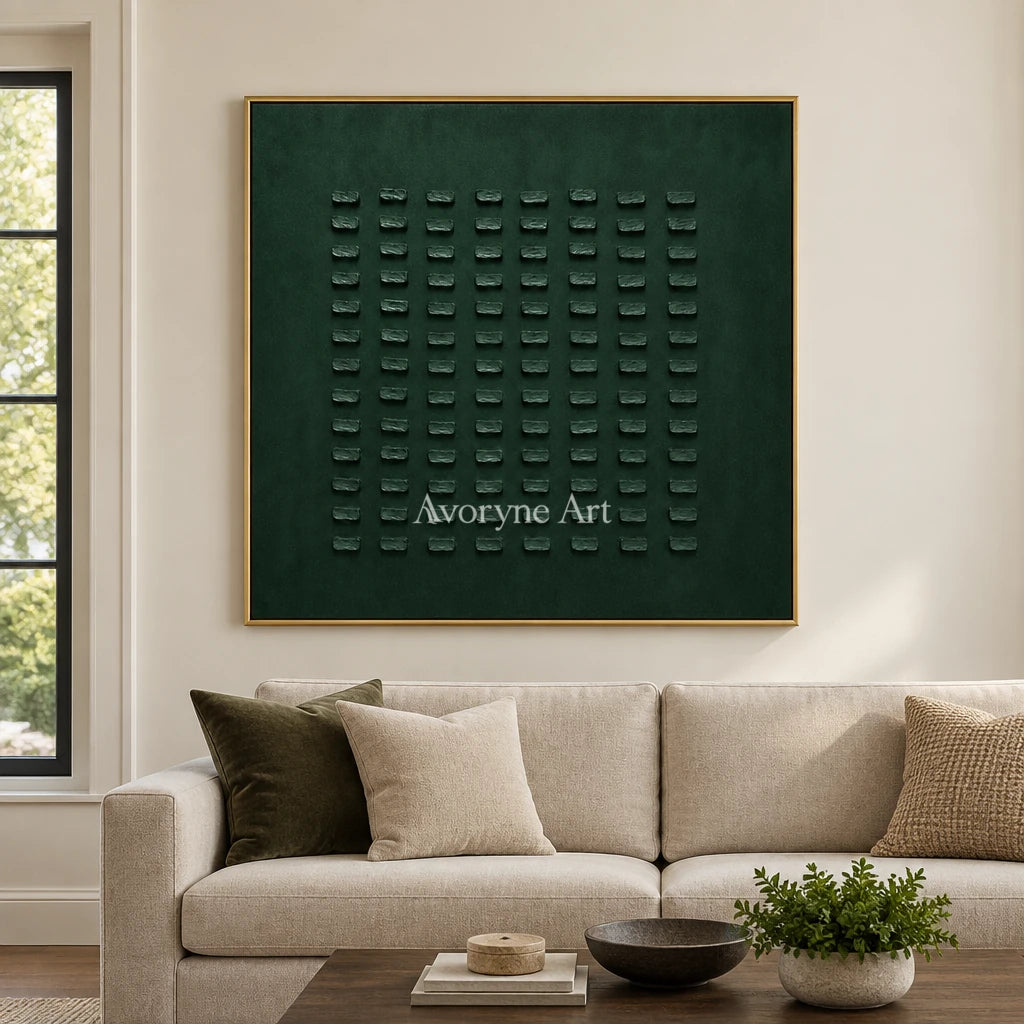
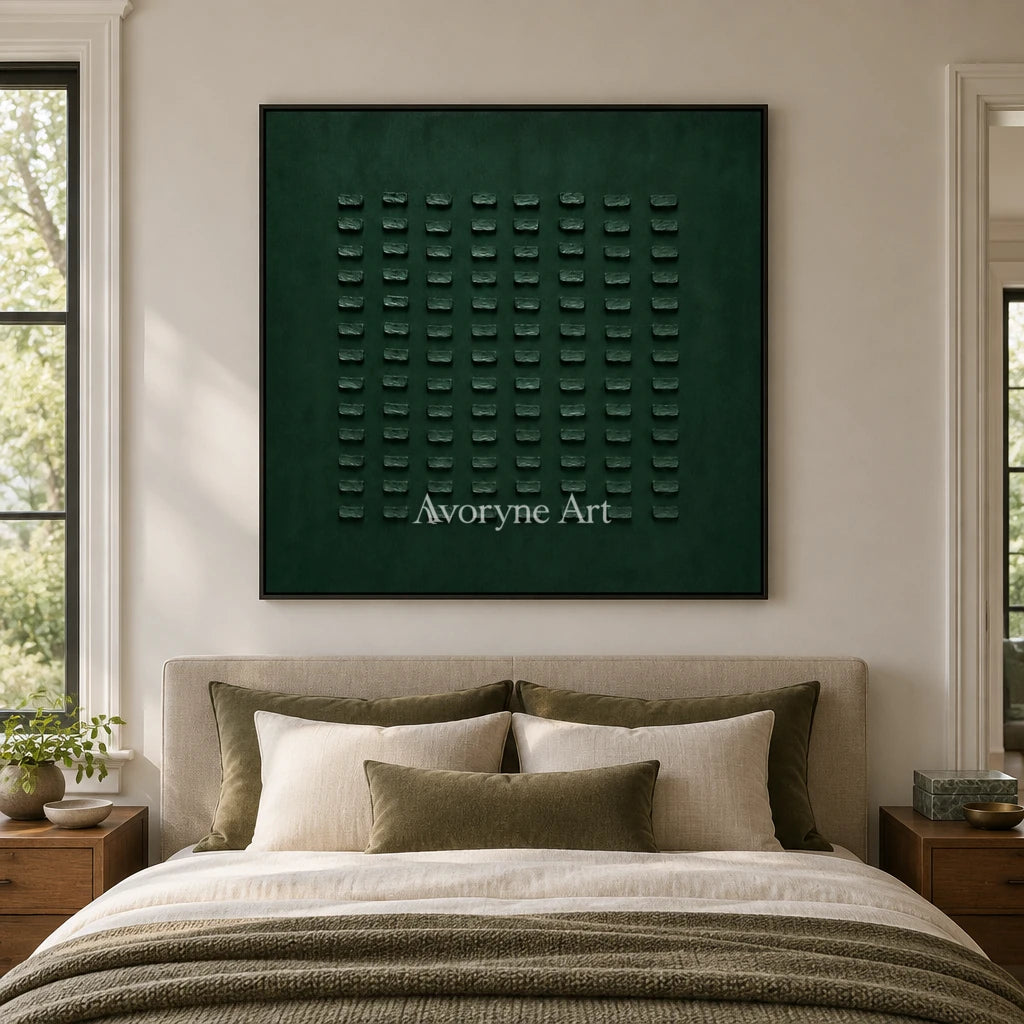
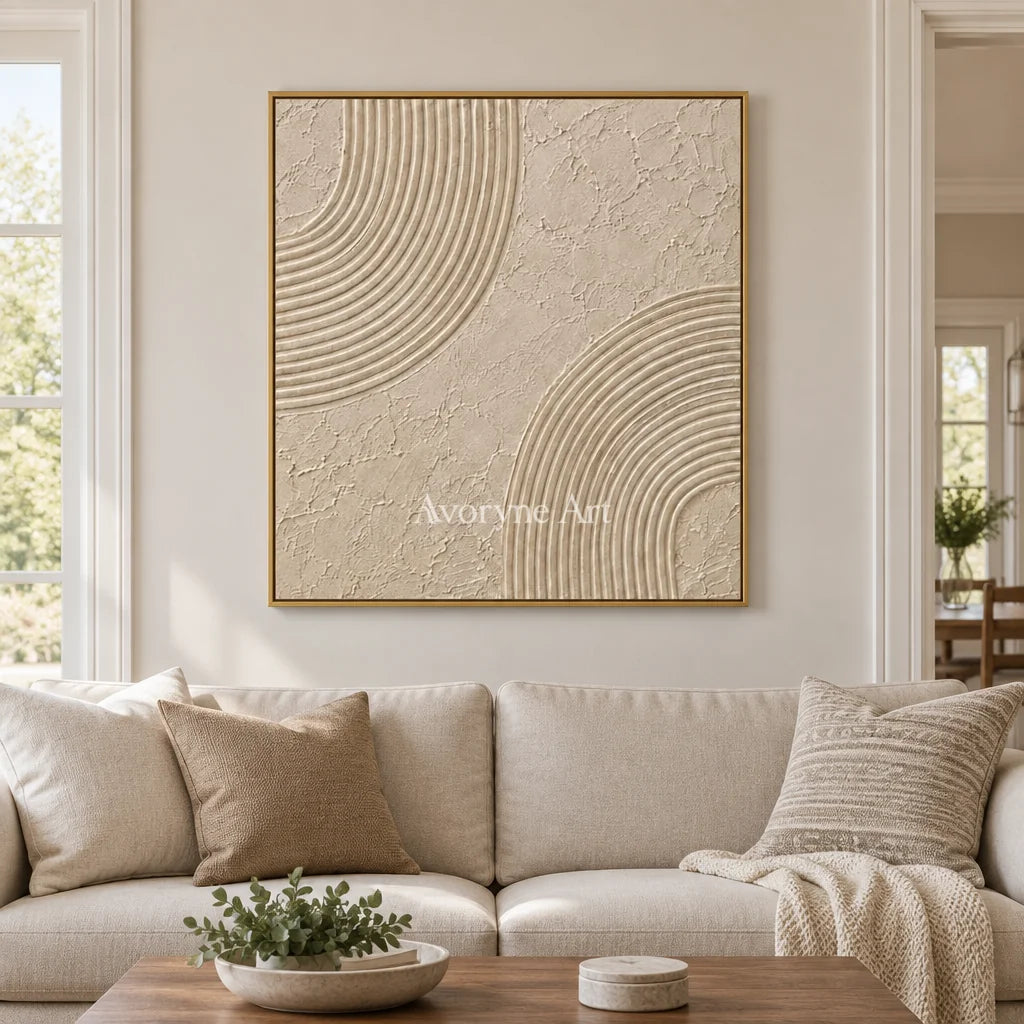
A room mockup helps with placement but does not verify the physical surface. Ask for actual artwork photographs, including an angled view, if depth is important to your choice. Confirm the medium and finish of the individual painting: the collection name does not mean every artwork is made with plaster. Our textured painting photo checklist lists what to look for.
Where should I hang textured art?
Raking light, meaning light that crosses the surface at a low angle, shows texture best. A wall beside a window, or one lit by a wall washer or picture light, will make the relief more visible than a wall lit straight on. Textured paintings appear most often in living rooms, offices, entryways and bedrooms. In dining rooms and hallways, keep larger pieces where they will not be brushed against.
Which colors work best for textured paintings?
Neutral textured art in white, beige and sand is the largest group here, because a limited palette lets the surface do the work. Blue coastal textures, green botanical forms and black-and-white compositions are also available if you want texture with more contrast. Browse white, beige and wabi-sabi paintings for the quietest options.
Is textured art harder to ship or hang?
Packaging is chosen according to the size, weight and finish of each piece, using protective boxes, crates or tubes. Stretched and framed paintings travel flat with their frame in place; rolled canvas needs local stretching or framing. Contact us to confirm hanging hardware and finished outer dimensions before ordering a large textured piece.
How do I care for a textured painting?
Dust gently with a soft, dry brush and keep the surface away from moisture, direct heat and long periods of strong direct sun. Avoid pressing on raised areas when moving the canvas; hold it by the stretcher bars or frame.
Explore related collections: Wabi-Sabi Wall Art & Canvas Paintings · Impasto-Style Textured Wall Art.
Before you order
Avoryne paintings are made to order from selected designs. A design may be painted more than once, with natural variations in brushwork, color, and surface details. We share a finished-painting preview for approval before dispatch. Confirm the available size, finish, and timing for your chosen artwork.
Read our sofa art sizing guide and canvas and framing guide. For a different size or palette, discuss a custom painting. Designers can explore the Trade Program, with no minimum order quantity and project-specific pricing and timing.
Before choosing a textured painting, use our painting photo checklist to compare full views, surface details, and the finished-artwork preview.